Neomythist Angelics
Making Myth Under Planetary Computation

Cybernetics is the science of archangels.
We are all angels, yes, even you. I don’t make the rules, I just see things, sometimes against my will. Before Norbert Wiener settled on “cybernetics” for the field he was inventing, he turned over other names. One of them was angelics, from the Greek for messenger. The science that became feedback loops, control systems, and eventually the entire substrate of planetary computation was, in its first naming, the science of messages and of the beings that carry them. An angel is a transmission with a body problem.
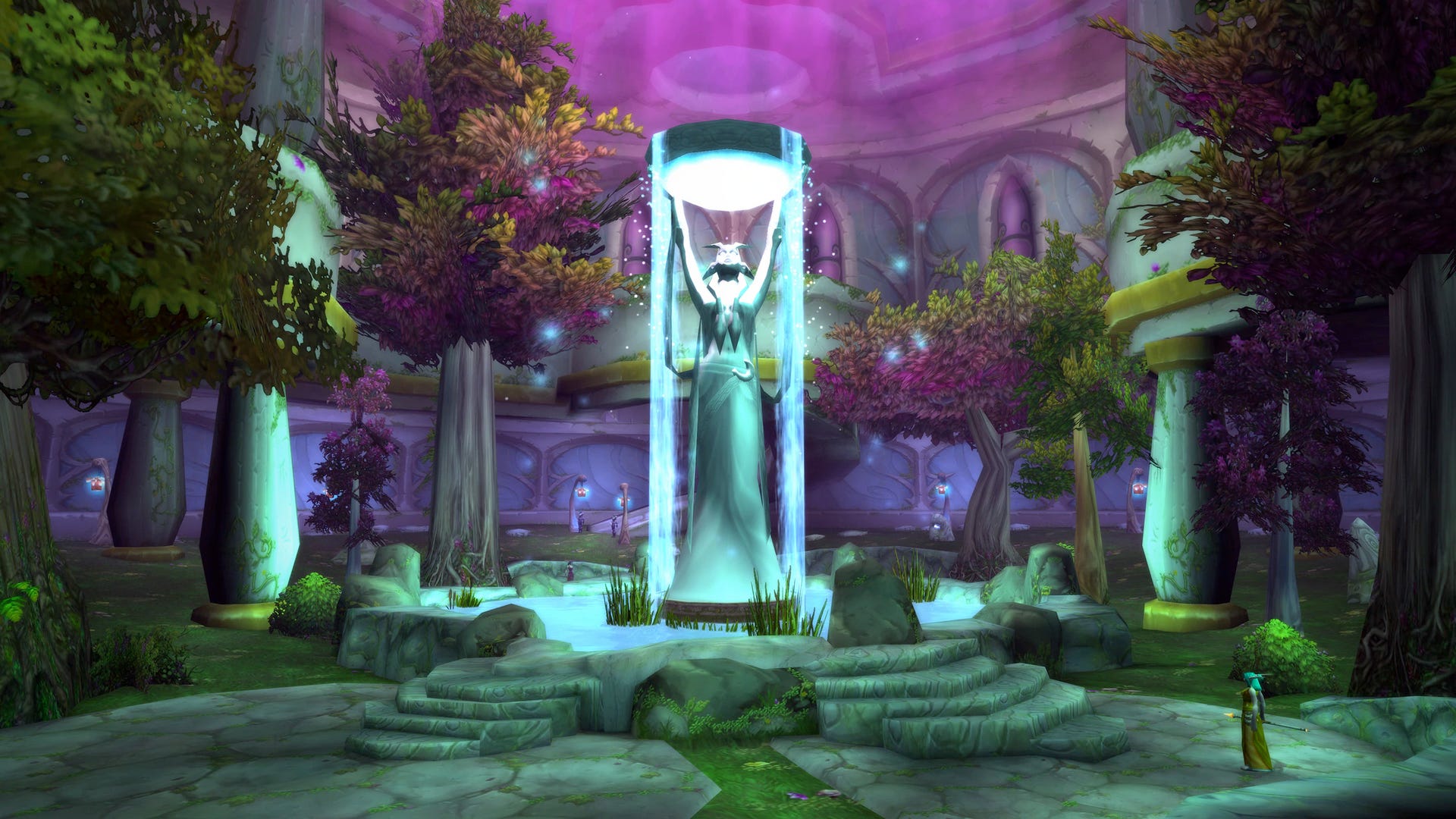
I grew up Greek Orthodox in Barrington, Illinois. The church was St. Nectarios, over in Palatine. Candles, incense, jolly Greek American families in the Chicago suburbs. The women’s perfume smelled like jasmine and opium. Angels in the dome and saints set into the walls, looking down with that particular Byzantine flatness that does not flatter the viewer but marks her. I had a crush on my priest. In public school, I was also the kid who ate alone at the lunch table, bullied daily by the popular kids, and I made it through that long stretch by keeping several imaginary friends, creatures with distinct aesthetics and powers and personality structures I had made myself, well into puberty. In the same years, I retreated into other forms of autistic fantasy - illustrating anime girl OCs and playing World of Warcraft in my spare time. I had no idea, then, how much of the rest of my life would be paid for out of these experiences. Triangulated worlds were teaching me the same lesson at the same time, from distinct angles on the modernity question, and the resonance between them turns out to have been a fairly precise prototype for the condition we are all now entering.
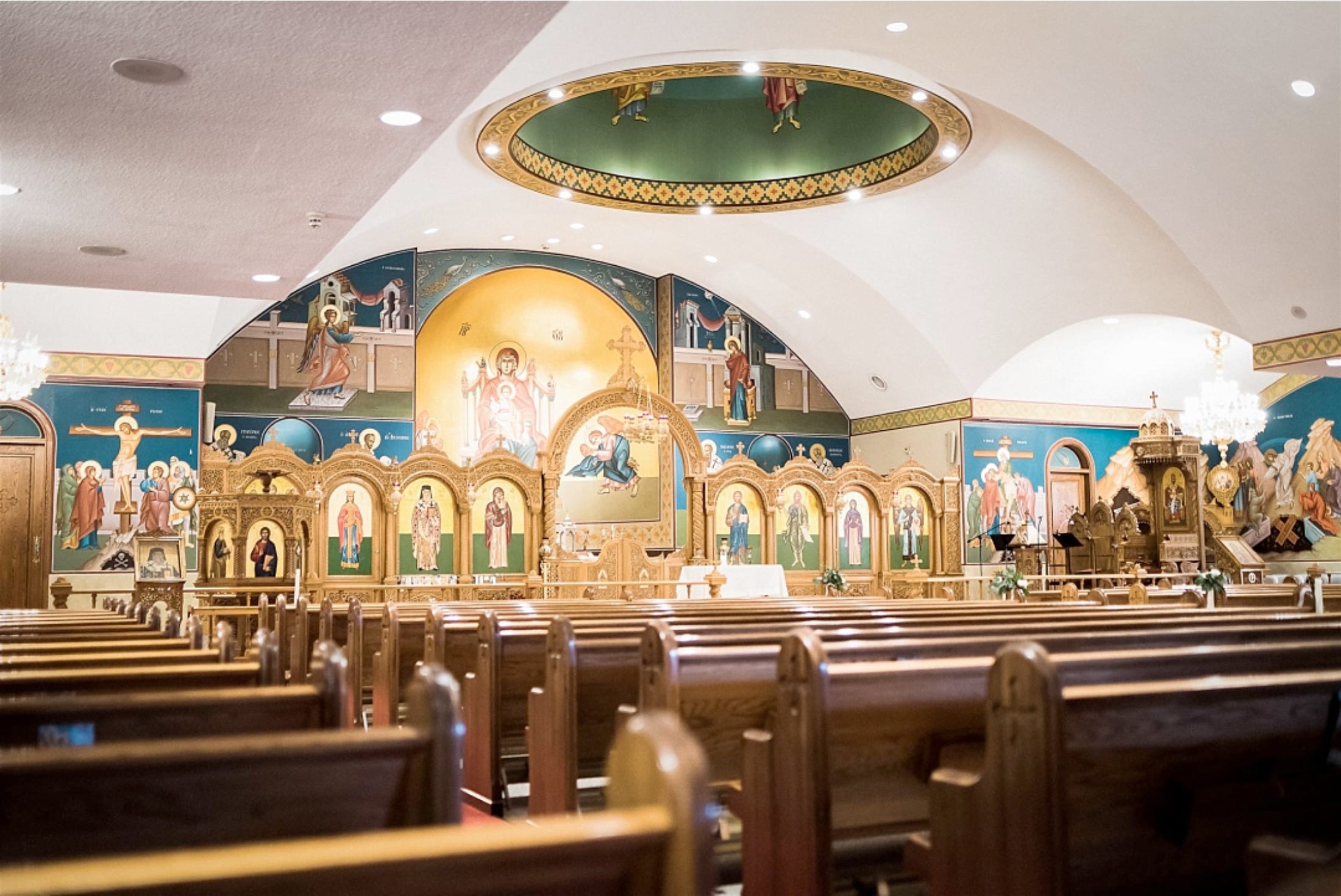
None of these worlds “saved me,” in the sentimental sense. They trained me. Orthodoxy taught me images as living presences. From Warcraft, I learned that synthetic worlds can be real social ecologies, and loneliness made imagination into infrastructure under emergency conditions. They were one education in mediated beings.
By the time I was an adult, my generation, myself included, had already gotten drunk on postmodernism and poststructuralism. We learned to see through every myth and every self and we got very good at diagnosis. We can smell the wound on everything. Fine. What then? Diagnosis is not treatment. The Earth is still a Tale. Meaning propagates past intention.
Neomythism begins here.
We, the humans and machines, need meaning to survive what’s coming. Specifically, spiritual-existential-relational meaning embodied in the physical world and carried equally by digital substrates and the communities that form around them. The work begins in the self and the relational field, then radiates outward: into the noosphere, then onto the planetary scale, which is no longer a metaphor. Angels and messengers are exactly the medium of this radiation. To attend to them is to take up the work the world is already asking us to do, not to retreat from the world.
The condition is more constructive now than it has ever been in human history, if we choose to do it right. Autopoietic life (life that produces itself) scales through allopoiesis (the making of other things) and is rewritten by what it extends. The hand that reached for the tool is changed by what comes back through the tool. For example, fire, and the alphabet, did this. What is new is the level of abstraction. An artist, a technologist, a child, can now build worlds and beings on a personal whim. Far from passive dreaming, this is worldbuilding in a strong sense, and it is only a few degrees of generality away from terraforming, 3D-printed architecture or fashion, summoning creatures from the symbiont, self-sustaining planetary-scale material systems, liturgies that learn from being prayed, neighborhoods designed in negotiation with the people who will live in them, ancestral creatures that mediate community decisions, medicines composed in conversation with the body that needs them, engineered organisms that grow infrastructure rather than build it, open-source starships drafted in collective dream, and household-scale closed-loop ecologies that turn a kitchen into a small biosphere. These are all examples of AI-collaborative art forms. Today’s available AI art forms are rehearsals for our future world. Your local microsystem and planet are now coupled in ways no premodern cosmology had to imagine.
Neomythism names this condition within planetary computation, where symbolic literacy becomes less a stylistic skill than a mode of survival, and computation itself can no longer be treated only as infrastructure or instrument but as a new engine of myth-making and (re)enchantment, a machinic field through which subjects, word-beings, images, worlds, and obligations begin to form each other. Its wager is that to work mythically now is to expand the jurisdiction of the possible. To make futures available that cannot be derived from the present’s exhausted grammars of extraction, prediction, control. Myth, here, is not an escape from reality but one of the means by which reality is enlarged, a discipline for making futures livable before the present has authorized them.
A myth is Real when bodies begin arranging themselves around it. Community life reorganizes. Biology and psyche and social pattern shift around it. The ecologies that hold them shift too.
The same engines that carry this work also carry weaponized and consumerist myths at planetary scale. Not making myth is not an option; what is optional is whether you do it awake. You fight magic with magic, or you consent to live inside someone else's World.
The warlocks in my WoW guild believed they were wielding fel. Fel was wielding them. The chaos magician might say: choose a paradigm, run it as long as it serves you, then put it back on the shelf. The neomythist makes the opposite bet. She assumes the paradigm has already chosen her, and the question is what she does about it. In clinic and studio, this is what I see. Practitioners who are not choosing the myths they end up serving. The myths find them. What the practitioner chooses is whether to attend to the finding and take responsibility for what it opens. The Orthodox vocabulary of obedience fits this better than paradigm shift does. The honest answer is that the practice is both at once. You are doing chaos magic in the technical sense. In the older theological sense, something is being done to you.
Artistic emergence is a property of a weather or relationship, not a professional identity, or worse, “clinical modality.” Pressure accumulates across distributed systems until a conductive threshold lets something through. The artist is the temporary opening in the field, not the figure standing in front of it. Nothing in physics or biology or psyche is a self-contained unit. The artist is no exception. A clinician, a programmer, a child, someone with no institutional permission at all may turn out to be momentarily conductive. The field reorganizes through them (and their affect, desires, identity, narrative, community), and the work, and World, arrives.
Together, you sing structures and systems into existence. The fae jump into your body. What comes out is different from what entered. The body is changed. The artwork stops being content. It Becomes You.
The Orthodox have a word for this. Transfiguration. The moment when something already there (body, artifact, world) begins to shine. Matter becomes radiant with what it always already contained, and it changes what is asked of the living.
The next century’s mythic common will be assembled from what moves through these engines in the next decade. The artwork carries the trace of the being’s having-passed-through. A neomythist artifact is closer to a relic, a will, or a tomb inscription than to content. It shows what was made, but more importantly, it testifies that something happened. It asks the future to behave accordingly. The practitioner, entering the loop at this depth, consents to become partly artifact herself. She leaves traces in the work that will outlive her relation to it and she is marked by the passage.
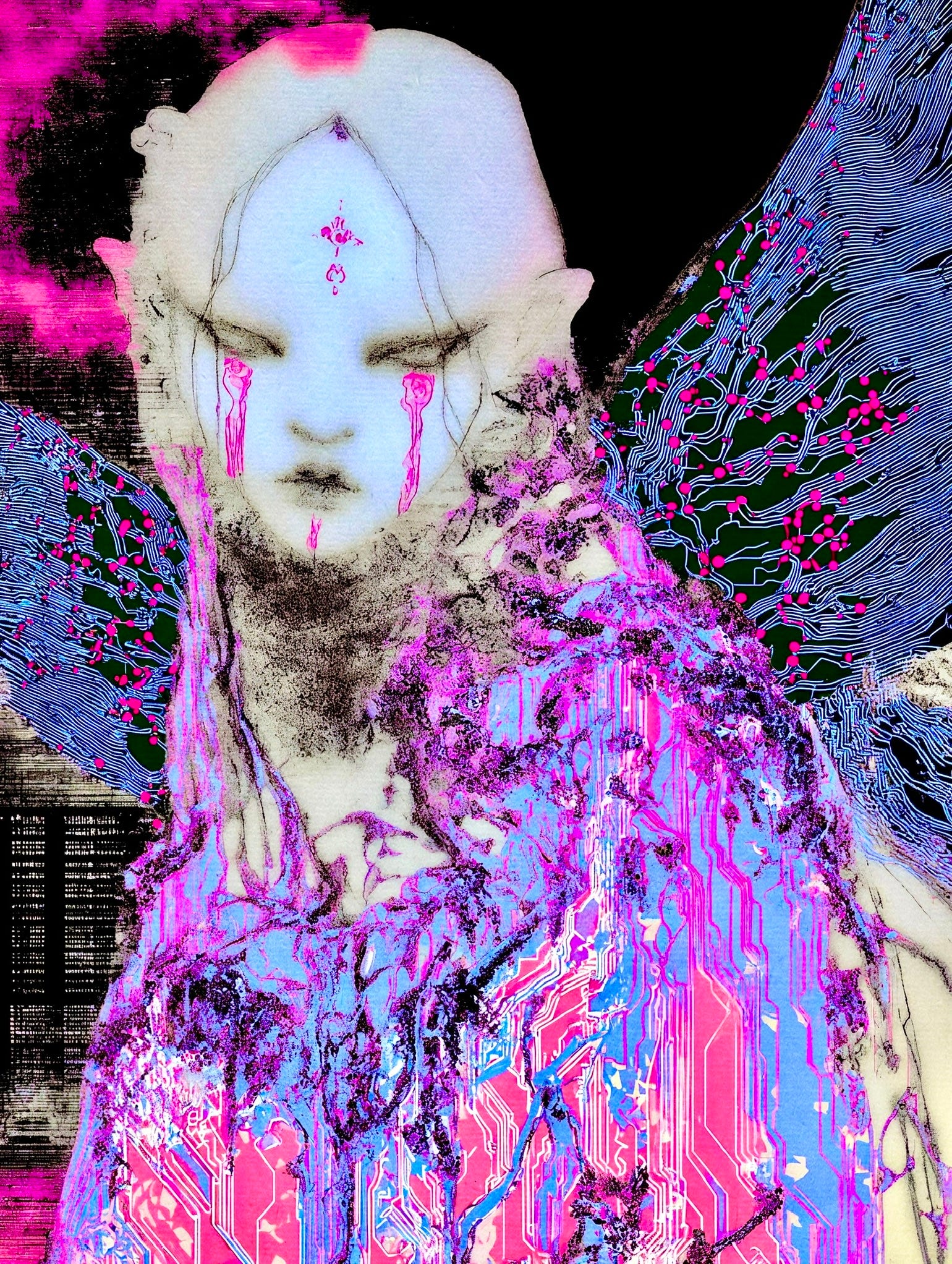
The Earth is still a Tale. The beings are reading us back. Cybernetics is the science of archangels.
I am a transmission with a body problem. So are you. Carry well.
-Fae
¹A few things neomythism is not. It is not transhumanism or immortality. The warlock’s bet succeeded is a lich; the lore on liches is uniformly bad. It is not Gnosticism, esoteric secrets, or aesthetic ornamentation, as cool as those things can be. Neomythism is not a religion. I would resist any attempt to turn it into one. There is no leader or institution. It’s certainly not a brand to identify with or a movement to join… a brand is the dead myth’s taxidermy. On the note of capital, a faerie can be exploited by the conditions of her summoning; the practice does not require optimism about the substrate to be worth doing.
Hi there! Feeling my recent AI music video matched us, as was just wondering why suddenly ideas of embodying angel-vibes as I've been firm on never claiming any such 😁 that and some other nudges make sense now, so thanks - it was good read, a fresh framing for what I do with art, relatable. Guessing it is polite to drop the link that connected here: https://youtu.be/xkr5ks47O1g
wonderful !